
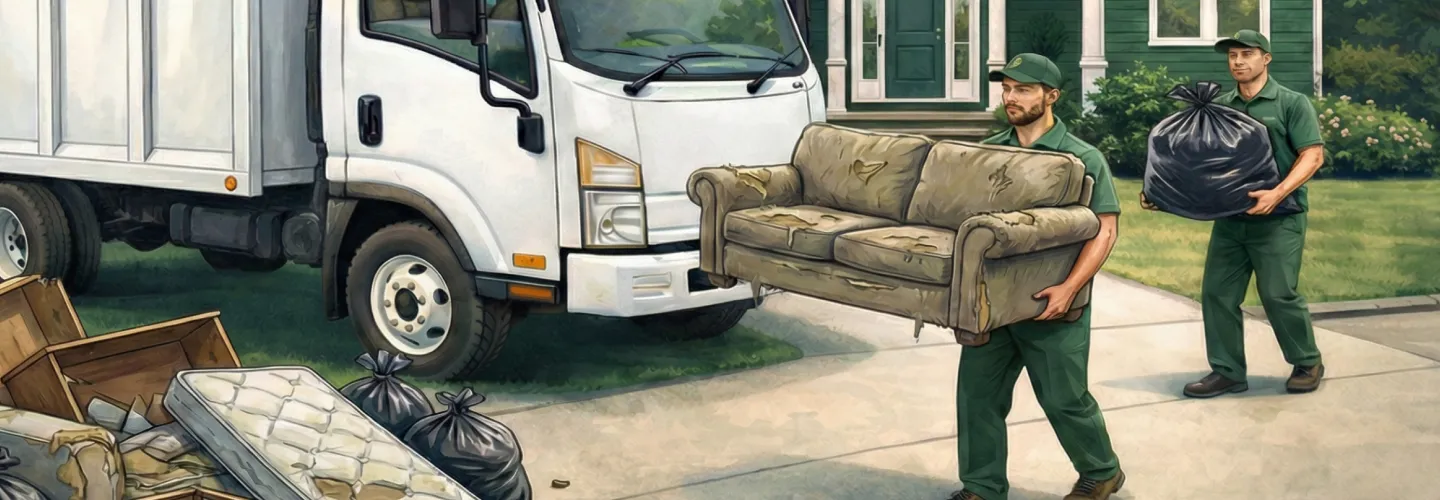
Dacula Restaurants Junk Removal Services
Choose our Restaurants Junk Removal for prompt, professional service that keeps your kitchen and dining areas spotless, compliant, and ready for business—so you can focus on serving your customers, not the clutter.
Get a Free QuoteOur Dacula Junk Removal Services
Restaurants Junk Removal in Dacula, GA – Local Service Guide
Restaurants in Dacula, GA, from the bustling corridors of Dacula Village to the eateries along Hurricane Shoals Road, face unique junk removal needs. Seasonal menu changes, kitchen upgrades, and health code compliance often trigger the need for swift, discreet removal of old appliances, furniture, and bulk waste. Local regulations require proper disposal or recycling, especially for electronics and commercial kitchen equipment. Many restaurants coordinate pickups during off-hours to minimize disruption, and larger venues near Hebron Church Road may require multiple hauls due to higher volumes. Reliable junk removal services help maintain a clean, compliant environment, supporting both daily operations and special events. For guidance on local disposal rules and scheduling, consult the Dacula Public Works Department.
Key Considerations for Restaurants Junk Removal in Dacula
- Timing pickups to avoid peak dining hours and minimize business disruption
- Securing necessary permits for large-scale disposals or dumpster placement
- Using approved disposal channels for electronics, grease traps, and hazardous items
- Ensuring easy access for removal trucks in busy commercial areas
- Accurately estimating volume to schedule appropriate service levels
- Coordinating with property managers for shared spaces or strip malls
Benefits of Restaurants Junk Removal in Dacula
Fast and Reliable Service
Eco-Friendly Disposal Solutions
Licensed and Insured Team
Flexible Scheduling Options
Competitive Upfront Pricing
Comprehensive Junk Removal
Coordinating Restaurant Equipment Disposal with Dacula's Public Works and Code Enforcement
Restaurant junk removal in Dacula requires careful coordination with municipal departments to ensure compliance with local ordinances and proper waste handling. Dacula is an incorporated city within Gwinnett County, and restaurant owners must adhere to both city and county regulations when disposing of commercial kitchen equipment, furniture, fixtures, and accumulated waste. The Dacula Public Works Department oversees infrastructure and stormwater management, while code enforcement addresses property maintenance violations that may arise from improper disposal practices.
- Commercial waste haulers must hold valid business licenses and comply with Dacula's municipal codes
- Bulk items such as booths, counters, and walk-in cooler panels require advance scheduling for removal
- Curbside placement of restaurant debris without authorization may trigger code enforcement action
- Stormwater compliance must be maintained during removal to prevent runoff contamination from grease, chemicals, or debris
Dacula Code Enforcement
442 Dacula Road, Dacula, GA 30019
Phone: (770) 963-8439
Official Website: Dacula Code Enforcement
Restaurant operators should contact code enforcement before staging large volumes of junk on sidewalks or parking areas to avoid violations related to property maintenance standards and zoning compliance.
Grease Trap Waste and Hazardous Material Restrictions for Dacula Restaurant Cleanouts
Restaurant junk removal often involves materials that require special handling under Georgia environmental regulations. Grease trap waste, cleaning chemicals, refrigerants, and fluorescent lighting are common in commercial kitchen cleanouts and cannot be disposed of through standard solid waste channels. The Georgia Environmental Protection Division (GA EPD) regulates solid waste management statewide under the Georgia Comprehensive Solid Waste Management Act (O.C.G.A. § 12-8-20 et seq.), which establishes disposal standards for commercial and hazardous waste streams.
- Grease trap waste must be collected by a licensed hauler and transported to an approved processing facility; it is prohibited from entering the municipal stormwater system
- Refrigerants in commercial coolers, freezers, and HVAC units must be recovered by an EPA Section 608-certified technician before equipment disposal
- Fluorescent tubes and CFL bulbs contain mercury and are classified as universal waste under federal and state regulations
- Cleaning solvents and chemicals must be disposed of through a licensed hazardous waste transporter
- Used cooking oil should be collected by a licensed renderer and must not be poured into drains or placed in solid waste containers
Dacula's Stormwater Awareness program emphasizes pollution prevention, and restaurant operators bear responsibility for ensuring that no hazardous materials enter storm drains during cleanout activities.
Building Permits and Renovation Debris Requirements for Dacula Restaurant Projects
When restaurant junk removal is associated with renovation, remodeling, or demolition, Dacula's building permit requirements apply. Interior demolition of commercial kitchen spaces—including removal of walls, flooring, plumbing fixtures, and exhaust hoods—typically requires a permit from the Dacula Planning Department. Failure to obtain proper permits before beginning work may result in stop-work orders, fines, and delays.
- Demolition permits are required when structural elements, plumbing, or electrical systems are affected during restaurant cleanouts
- Asbestos surveys are recommended for buildings constructed before 1980; friable asbestos must be abated by a licensed contractor before demolition proceeds
- Lead paint in older restaurant buildings requires compliance with the EPA Renovation, Repair, and Painting Rule for pre-1978 structures
- Construction and demolition debris must be separated and transported to approved C&D landfills or recycling facilities
- Fire safety clearances must be maintained throughout the removal process, particularly near gas lines and hood suppression systems
Dacula Building Permits
442 Dacula Road, Dacula, GA 30019
Phone: (770) 963-8439
Official Website: Dacula Building Permits
Contractors performing restaurant demolition should coordinate with the planning department to confirm permit scope and inspection requirements before scheduling junk removal.
Recycling and Diversion Options for Restaurant Furniture, Fixtures, and Equipment in Dacula
Restaurant junk removal generates significant volumes of reusable and recyclable materials, including stainless steel prep tables, commercial ovens, refrigeration units, seating, and shelving. Gwinnett County and the surrounding region offer several diversion options that help restaurant operators reduce landfill contributions while complying with Georgia's solid waste management goals.
- Stainless steel and scrap metal from kitchen equipment, shelving, and exhaust hoods can be sold to licensed scrap metal recyclers in the Gwinnett County area
- Functional restaurant equipment such as ovens, fryers, and refrigerators may be donated to nonprofit organizations or resold through restaurant supply dealers
- Wood furniture and fixtures in good condition can be directed to reuse organizations, including local Habitat for Humanity ReStore locations
- Cardboard, plastics, and packaging generated during cleanouts should be separated and recycled through commercial recycling services
- Electronics including POS systems, monitors, and computers should be recycled through certified e-waste processors; Georgia does not currently have a statewide e-waste landfill ban, but responsible recycling is strongly encouraged by the GA EPD
Prioritizing material recovery reduces disposal costs and supports environmental stewardship within the Dacula business community.
Stormwater Protection and Pollution Prevention During Dacula Restaurant Junk Removal
Restaurant cleanouts present unique environmental risks due to the presence of grease, food residue, chemical cleaners, and refrigerants commonly found in commercial kitchen environments. Dacula's stormwater management program, administered through the Public Works Department, requires that all commercial activities prevent pollutants from entering the municipal storm drain system. Gwinnett County Fire and Emergency Services also responds to hazardous material incidents that may occur during improper disposal.
- Grease and food waste must be contained during removal and must not be washed into parking lot drains or storm inlets
- Equipment cleaning should occur indoors or in designated wash areas connected to sanitary sewer, not in parking lots or loading areas
- Absorbent materials should be on-site during removal to address spills from leaking equipment or chemical containers
- Refrigerant leaks from damaged coolers or freezers require immediate containment and reporting to appropriate authorities
- Debris staging areas should be located away from storm drains and waterways; tarps or containment barriers are recommended
Gwinnett County Fire & Emergency Services
Phone: (770) 513-5000
Official Website: Gwinnett County Fire & Emergency Services
Violations of stormwater regulations may result in fines and enforcement actions from both the city and the Georgia EPD.
What Neighborhoods Do We Serve Throughout Dacula, GA?
- Downtown Dacula: The historic commercial core along Dacula Road features older restaurant buildings with limited rear access and narrow lot configurations. Removal crews should anticipate tight maneuvering and coordinate with the city regarding any temporary lane or sidewalk obstructions.
- Dacula Town Green Area: Restaurants near the town green and civic spaces may face access restrictions during community events and festivals. Advance scheduling and coordination with Dacula Parks & Recreation is recommended for removal projects in this area.
- Highway 316 Corridor: Commercial strip centers and standalone restaurant buildings along this corridor typically offer better truck access with larger parking areas. However, high traffic volumes may require off-peak scheduling for safe loading operations.
- Harbins Road Commercial District: This developing area includes newer restaurant construction with modern loading zones and wider driveways. Building access is generally straightforward, though newer structures may have HOA or property management approval requirements.
- Fence Road and Surrounding Residential-Commercial Mix: Smaller restaurant operations in mixed-use areas may have shared parking and limited staging space. Coordination with adjacent property owners and careful debris containment are essential to avoid code enforcement complaints.
- Alcovy Road Area: Restaurants in this corridor serve the broader Dacula community and often occupy converted residential or older commercial structures. Pre-1980 buildings should be assessed for asbestos and lead paint before interior demolition or fixture removal begins.