
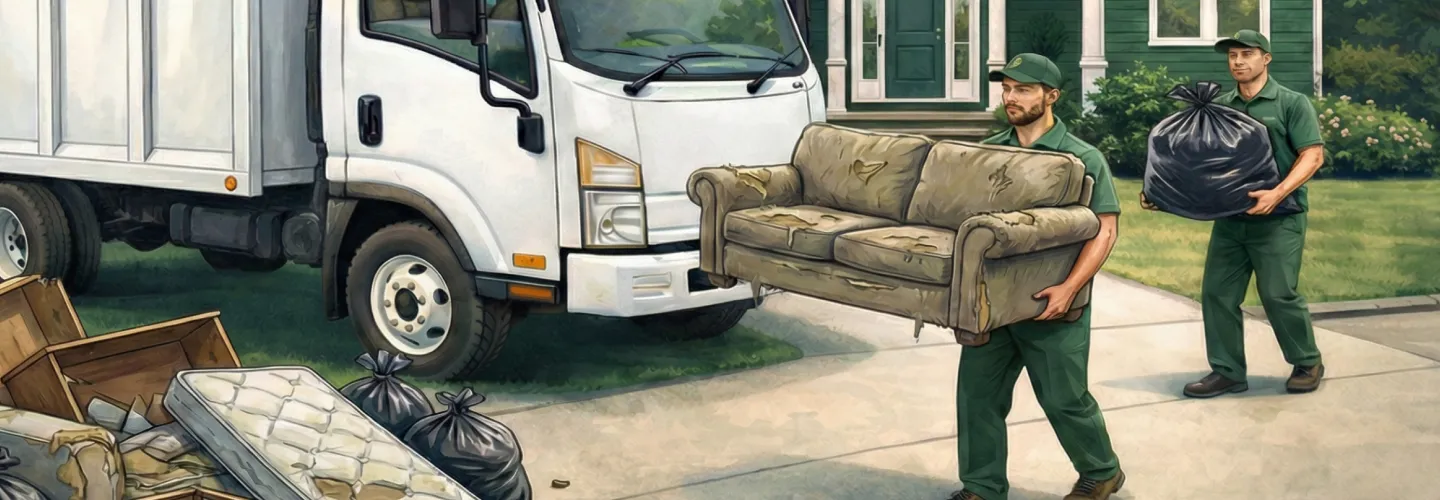
Dacula Scrap Metal Removal Services
Choose our Scrap Metal Removal for hassle-free, eco-friendly service that clears your space quickly while ensuring responsible recycling and top-notch customer care.
Get a Free QuoteOur Dacula Junk Removal Services
Scrap Metal Removal in Dacula, GA – Local Service Guide
Scrap metal removal in Dacula, GA is essential for keeping homes and businesses clutter-free and environmentally responsible. In neighborhoods like Apalachee Heritage and Alcovy Ridge, residents often need removal services during spring cleanouts, after appliance upgrades, or when replacing old furniture and electronics. Local weather, such as summer storms, can also prompt the need for clearing metal debris from garages, basements, or yards. For commercial properties near Dacula Village or along Hurricane Shoals Road, regular scrap metal removal supports safe, efficient operations—especially for restaurants, offices, and construction sites with high turnover of equipment or renovation waste. Specialty projects, such as estate cleanouts or construction debris removal, require careful planning and coordination to meet local regulations and ensure safe handling. Dacula offers multiple disposal options, including recycling and donation, but access, volume, and timing are key factors. For guidance on local rules and resources, visit the Dacula Public Works Department.
Key Considerations for Scrap Metal Removal in Dacula
- Seasonal timing (spring/fall cleanouts, post-storm)
- Permit requirements for large or commercial loads
- Approved disposal and recycling channels
- Access for removal trucks in neighborhoods
- Volume and sorting by metal type
- Coordination for specialty or high-volume projects
Benefits of Scrap Metal Removal in Dacula
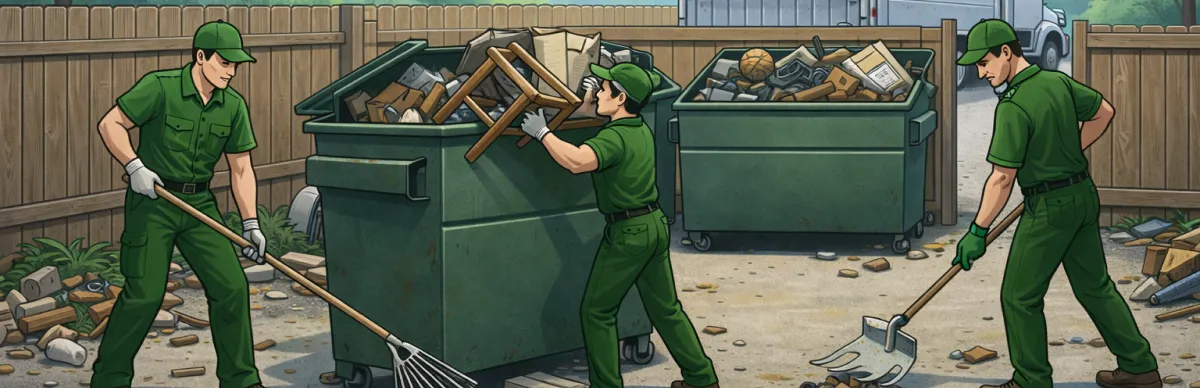
Eco-Friendly Disposal
Fast and Reliable Service
Free Up Valuable Space
Safe Removal Practices
Competitive Pricing
Experienced Local Team
Coordinating Scrap Metal Disposal with Dacula's Public Works and Code Enforcement Departments
Scrap metal removal in Dacula requires coordination with municipal departments that oversee waste management, property maintenance, and code compliance. The Dacula Public Works Department manages infrastructure services including stormwater management, which directly relates to preventing metal debris and runoff contamination on residential and commercial properties. Residents and contractors generating scrap metal from renovation, demolition, or property cleanout projects should verify local requirements before initiating removal activities.
- Property maintenance standards are enforced by the Dacula Code Enforcement division, which investigates violations related to accumulated metal debris, abandoned vehicles, and unsightly scrap storage on residential lots
- Zoning compliance must be confirmed through the Dacula Planning Department before establishing any temporary metal collection or staging area on a property
- Building permits may be required when scrap metal removal is part of a larger demolition or renovation project
- Stormwater protection measures must be in place to prevent metal contaminants from entering drainage systems
Dacula Public Works Department
442 Dacula Road, Dacula, GA 30019
Phone: (770) 963-8017
Official Website: Dacula Public Works Department
Georgia Environmental Protection Division Requirements for Scrap Metal Recycling Compliance
Georgia regulates solid waste management through the Georgia Environmental Protection Division (GA EPD), which administers the Georgia Comprehensive Solid Waste Management Act. This legislation establishes standards for the collection, transportation, and disposal of solid waste, including scrap metals generated from residential and commercial sources. Scrap metal haulers operating in the Dacula area must comply with state permitting and transportation requirements when moving materials to licensed recycling facilities or scrap yards.
- Ferrous metals (steel, iron, cast iron) and non-ferrous metals (copper, aluminum, brass) must be separated for proper recycling processing
- Appliances containing refrigerants (air conditioners, refrigerators) require certified refrigerant recovery under EPA Section 608 regulations before the metal housing can be scrapped
- Lead-acid batteries found in vehicles and equipment are banned from landfill disposal in Georgia and must be recycled through authorized battery recyclers
- Vehicles and large equipment require title documentation and proper deregistration before being processed as scrap metal
- Hazardous coatings such as lead paint on older metal structures require assessment under the EPA Renovation, Repair, and Painting Rule for pre-1978 properties
Georgia Environmental Protection Division
2 Martin Luther King Jr. Drive SE, Suite 1456, Atlanta, GA 30334
Phone: (404) 656-4713
Official Website: Georgia Environmental Protection Division
Stormwater Protection and Pollution Prevention During Scrap Metal Removal in Dacula
Dacula maintains an active Stormwater Awareness program that directly affects how scrap metal removal projects must be conducted. Metal debris, rust particles, oil residue from machinery, and chemical contaminants from coated metals can enter storm drains and contaminate local waterways if proper containment measures are not followed. Contractors and property owners must implement best management practices during scrap metal staging, loading, and transportation.
- Containment tarps or drip pans should be placed beneath metal staging areas to capture oil, grease, and rust runoff
- Storm drain covers must be deployed when loading scrap metal near curb inlets or drainage structures
- Fluid-containing equipment such as engines, hydraulic cylinders, and compressors must be drained of all fluids before transport
- Loose metal shavings and filings require sweeping and collection to prevent migration into stormwater systems
- Soil contamination from long-term metal storage may require environmental assessment before property remediation
Dacula Stormwater Awareness Program
442 Dacula Road, Dacula, GA 30019
Phone: (770) 963-8017
Official Website: Dacula Stormwater Awareness
Building Permits and Demolition Debris Regulations for Scrap Metal Projects in Dacula
When scrap metal removal is associated with structural demolition, renovation, or significant property modification, the Dacula Building Permits office must be consulted. Demolition of metal structures such as carports, sheds, fencing, and outbuildings typically requires a permit, and the resulting scrap metal must be disposed of through licensed facilities. Gwinnett County, which provides fire and emergency services to the Dacula area, may also have jurisdiction over projects involving hazardous conditions.
- Demolition permits are required before dismantling metal structures attached to or adjacent to primary buildings
- Asbestos surveys may be necessary for older metal-clad buildings, as insulation wrapping and gaskets in pre-1980 structures may contain asbestos fibers
- Structural metal components (beams, columns, reinforcement bar) from permitted demolition projects must be documented for waste tracking purposes
- Metal roofing and siding removal generates sharp debris requiring proper containment and worker safety protocols
- Electrical disconnection must be verified before removing any metal structures connected to utility services
Dacula Building Permits Office
442 Dacula Road, Dacula, GA 30019
Phone: (770) 963-8017
Official Website: Dacula Building Permits
OSHA Safety Standards and Hazardous Material Handling for Scrap Metal Operations
Scrap metal removal presents significant occupational safety hazards that require adherence to federal Occupational Safety and Health Administration (OSHA) standards. Workers handling heavy metal objects, sharp edges, and potentially contaminated materials face risks including lacerations, crush injuries, and exposure to hazardous substances. Professional scrap metal removal operations in the Dacula area must maintain compliance with workplace safety regulations and carry appropriate insurance coverage.
- Personal protective equipment (PPE) including cut-resistant gloves, steel-toed boots, safety glasses, and hard hats is mandatory for all workers handling scrap metal
- Heavy lifting protocols require mechanical assistance (forklifts, cranes, or hydraulic lifts) for items exceeding 50 pounds per OSHA ergonomic guidelines
- Tetanus risk is elevated when handling rusted metals; workers should maintain current immunizations
- Lead exposure from painted metals requires air monitoring and blood lead level testing when disturbing lead-based coatings
- Torch cutting and welding to reduce metal size for transport requires hot work permits, fire watch procedures, and proper ventilation
- Vehicle loading must comply with Department of Transportation weight limits and securement standards to prevent shifting during transport
In the event of a hazardous materials incident during scrap metal removal, Gwinnett County Fire & Emergency Services provides hazardous materials response for the Dacula area.
What Neighborhoods Do We Serve Throughout Dacula, GA?
- Downtown Dacula Historic District: Older commercial and residential structures along Dacula Road frequently yield scrap metal from renovation projects. Narrow lot configurations and proximity to neighboring buildings require careful equipment staging and debris containment during removal operations.
- Rabbit Hill: This established residential community features single-family homes with garages and outbuildings that commonly accumulate metal items such as old appliances, lawn equipment, and fencing materials. Wide residential streets generally accommodate removal vehicles without access restrictions.
- Dacula Estates: Larger residential lots in this area may contain metal sheds, carports, and agricultural equipment requiring professional dismantling. Properties with extended driveways provide adequate staging space for sorting ferrous and non-ferrous metals before transport.
- Alcovy Creek Subdivisions: Newer construction neighborhoods near Alcovy Creek may generate scrap metal from builder surplus, HVAC system replacements, and landscaping infrastructure. Stormwater protection is particularly important given proximity to creek tributaries and drainage corridors.
- Highway 316 Commercial Corridor: Commercial and light industrial properties along the Highway 316 corridor produce higher volumes of scrap metal including warehouse racking, signage, mechanical equipment, and structural steel. Commercial hauler licensing and proper waste manifesting are essential for businesses in this area.
- Fence Road and Harbins Road Communities: Rural-residential properties in these outlying areas often accumulate farm equipment, metal fencing, and vehicle parts over time. Longer travel distances to licensed scrap facilities and limited road widths on some secondary roads require advance logistical planning for large-scale removal projects.