
Dacula Estate Cleanout Services
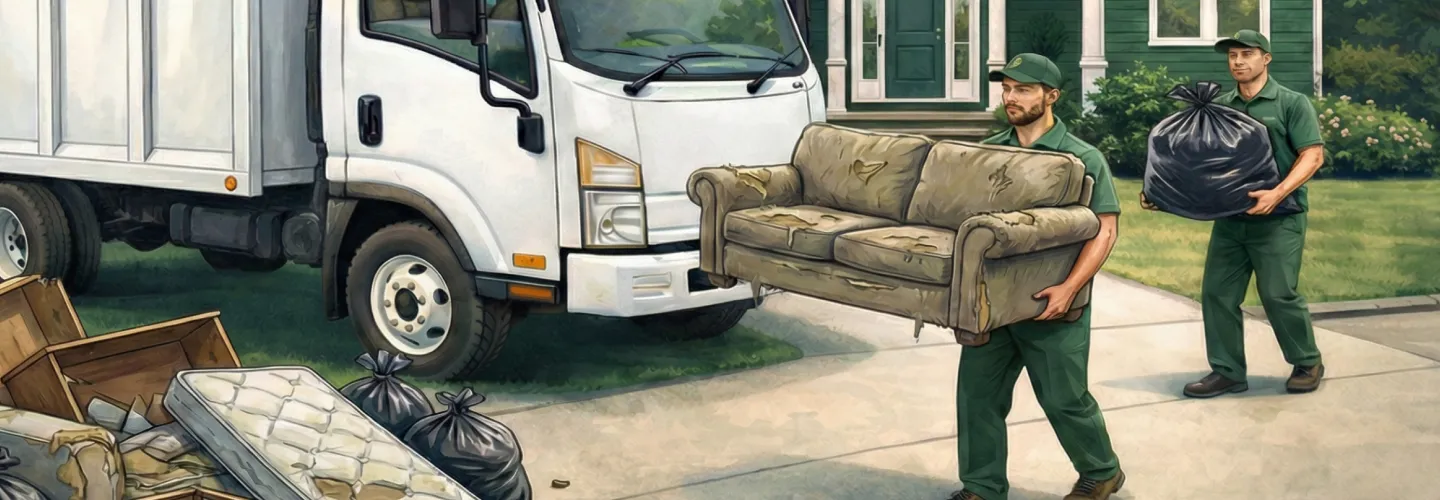
Choose our estate cleanout services for respectful handling, efficient removal, and peace of mind during life's transitions—trust our experienced team to make the process stress-free and seamless.
Get a Free QuoteOur Dacula Junk Removal Services
Estate Cleanout in Dacula, GA – Local Service Guide
Estate cleanout in Dacula, GA, is often prompted by life transitions such as downsizing, inheritance, or preparing a property for sale. In neighborhoods like Apalachee Farms and Alcovy Ridge, residents frequently schedule cleanouts during spring and fall, coinciding with home renovations or after major weather events. Residential items—furniture, mattresses, appliances, and even hot tubs—are commonly replaced or removed, with options to donate, recycle, or dispose of them depending on their condition. Local logistics, such as driveway access and weather, play a significant role in planning, especially for larger items or properties with limited entry points.
For residential spaces like garages, basements, and yards, seasonal cleanouts are driven by storm debris or yard waste cycles, particularly in areas prone to flooding or heavy tree coverage. Commercial clients in Dacula’s downtown and Hamilton Mill business districts often require discreet, timely cleanouts for offices, restaurants, and retail spaces, with volume and operational needs varying by sector. Specialty services—such as dumpster rentals or hoarding situations—demand careful coordination and adherence to local guidelines. For more on local disposal rules and resources, visit the Dacula Public Works Department.
Key Considerations for Estate Cleanout in Dacula
- Timing cleanouts around local weather and seasonal events
- Securing necessary permits for large-scale removals
- Choosing proper disposal or donation channels
- Ensuring property access for trucks and crews
- Estimating volume and category of items for efficient planning
- Coordinating with local authorities for specialty or regulated items
Benefits of Estate Cleanout in Dacula
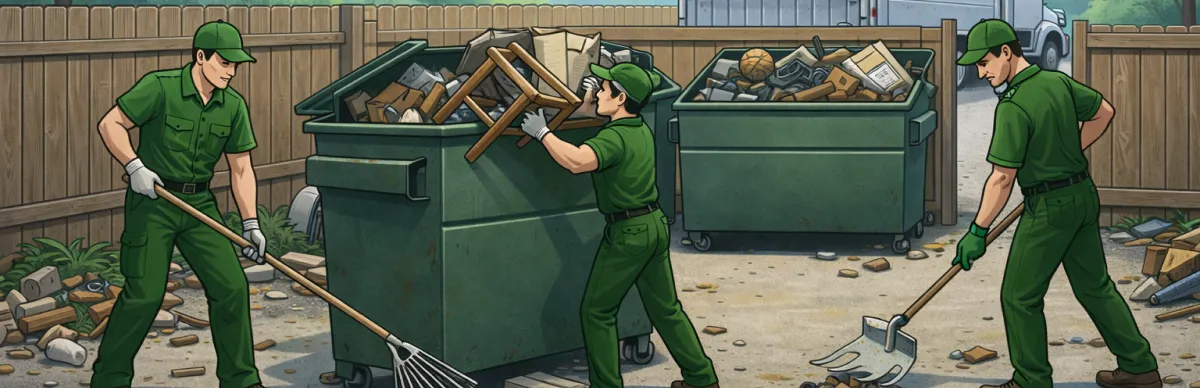
Fast and Efficient Cleanouts
Experienced Local Team
Eco-Friendly Disposal
Flexible Scheduling Options
Transparent Upfront Pricing
Comprehensive Estate Services
Coordinating Estate Cleanout Disposal with Dacula's Public Works and Gwinnett County Services
Estate cleanout projects in Dacula generate significant volumes of mixed materials, including furniture, appliances, clothing, documents, and household goods. Because Dacula is a small municipality within Gwinnett County, residential solid waste collection and disposal services are primarily administered at the county level. Residents undertaking estate cleanouts must coordinate with both the City of Dacula and Gwinnett County to ensure compliant removal and disposal of all materials. Key considerations include:
- Bulk item scheduling: Large furniture, mattresses, and appliances typically require advance scheduling through your contracted hauler or self-hauling to a permitted facility
- Material separation: Recyclables, hazardous waste, electronics, and general household debris must be sorted into distinct categories before disposal
- Volume limitations: Curbside collection services may not accommodate the full volume generated by an estate cleanout; supplemental hauling is often necessary
- Property maintenance compliance: Accumulated debris left on the property or curbside beyond permitted timeframes may trigger code enforcement action
Dacula Public Works Department
442 Dacula Road, Dacula, GA 30019
Phone: (770) 963-8439
Official Website: Dacula Public Works Department
Residents should contact the Public Works Department for guidance on local infrastructure considerations, stormwater management during large-scale cleanouts, and coordination with municipal services.
Dacula Code Enforcement Standards for Property Cleanout and Debris Removal
During and after an estate cleanout, property owners and executors must comply with Dacula's municipal code enforcement standards. The Dacula Code Enforcement division, operating under the Marshal's Office, enforces property maintenance ordinances that directly affect how cleanout materials are staged, stored, and removed from a property. Failure to comply may result in violation notices and potential fines. Important regulatory requirements include:
- Debris staging: Materials awaiting removal must not obstruct sidewalks, rights-of-way, or neighboring properties
- Timeframe restrictions: Accumulated items placed curbside or in the yard for extended periods may violate property maintenance codes
- Hazardous conditions: Properties with mold, pest infestations, or structural concerns discovered during cleanout may require inspection by Gwinnett County Fire & Emergency Services for hazardous materials assessment
- Zoning compliance: Commercial haulers operating on residential properties must adhere to local zoning and permitting requirements established by the Dacula Planning Department
Dacula Code Enforcement
442 Dacula Road, Dacula, GA 30019
Phone: (770) 963-8439
Official Website: Dacula Code Enforcement
Property owners should proactively communicate with code enforcement before beginning large-scale cleanout operations to avoid violations.
Georgia's Solid Waste Management Act and Estate Cleanout Compliance Requirements
All estate cleanout activities in Dacula must comply with the Georgia Comprehensive Solid Waste Management Act (O.C.G.A. § 12-8-20) administered by the Georgia Environmental Protection Division (GA EPD). This state law establishes the regulatory framework for solid waste handling, transportation, and disposal throughout Georgia. Estate cleanout operators and property owners should be aware of the following state-level requirements:
- Permitted disposal facilities: All solid waste must be transported to facilities holding valid permits from GA EPD; illegal dumping carries penalties of up to $25,000 per day per violation under Georgia law
- Transporter requirements: Commercial haulers removing estate cleanout materials must comply with state solid waste transporter regulations
- Hazardous waste separation: Items such as paint, solvents, pesticides, batteries, and fluorescent bulbs are classified as hazardous waste and must not be mixed with general solid waste
- Appliance refrigerant recovery: Refrigerators, freezers, and air conditioning units require certified refrigerant recovery per EPA Section 608 regulations before disposal
- Tire disposal: Used tires discovered during estate cleanouts are subject to Georgia's scrap tire management rules and must be taken to a permitted tire processor
Georgia Environmental Protection Division
2 Martin Luther King Jr. Drive SE, Suite 1456, Atlanta, GA 30334
Phone: (404) 656-4713
Official Website: Georgia Environmental Protection Division
Recycling, Donation, and Material Recovery Options for Dacula Estate Cleanouts
Maximizing material recovery during an estate cleanout reduces landfill burden and supports Georgia's waste reduction goals. Dacula residents have access to several recycling and donation channels through Gwinnett County programs and regional nonprofit organizations. Proper sorting at the point of removal is essential for diverting reusable and recyclable materials from the waste stream. Recommended material recovery strategies include:
- Furniture and household goods: Usable items such as tables, chairs, dressers, and kitchenware may be donated to local organizations including Habitat for Humanity ReStore or Goodwill locations in the Gwinnett County area
- Electronics (e-waste): Computers, televisions, printers, and other electronic devices should be taken to designated e-waste recycling facilities; Georgia does not currently have a statewide e-waste landfill ban, but responsible recycling is strongly encouraged by GA EPD
- Scrap metal: Appliances, metal furniture frames, and other ferrous and non-ferrous metals can be directed to licensed scrap metal recyclers
- Paper and documents: Sensitive personal documents found during estate cleanouts should be professionally shredded before recycling to prevent identity theft
- Mattresses and box springs: These items are not covered by an EPR program in Georgia; disposal typically requires transport to a permitted solid waste facility, as curbside collection may not accept them
Residents can visit the Dacula Stormwater Awareness page for guidance on preventing pollution during outdoor cleanout staging and material handling.
Lead Paint, Asbestos, and Hazardous Material Handling in Dacula Estate Properties
Many estate cleanout projects in Dacula involve older homes constructed before 1980, which may contain hazardous materials requiring specialized handling. Property owners and cleanout crews must exercise caution when encountering potential lead paint, asbestos-containing materials, or other environmental hazards. Federal and state regulations impose strict requirements on the disturbance and disposal of these materials:
- Lead paint (pre-1978 homes): Any renovation or disturbance of painted surfaces in homes built before 1978 must follow the EPA Renovation, Repair, and Painting Rule, which requires certified renovators and lead-safe work practices
- Asbestos: Floor tiles, insulation, pipe wrapping, and roofing materials in older homes may contain asbestos; a licensed inspector should conduct a survey before demolition or disturbance, and abatement must be performed by a Georgia-licensed asbestos contractor
- Household hazardous waste: Items commonly found during estate cleanouts—including paint cans, cleaning chemicals, pesticides, propane tanks, and automotive fluids—must be disposed of through Gwinnett County's Household Hazardous Waste collection events or designated drop-off facilities
- Medications: Prescription and over-the-counter medications should not be placed in regular trash or flushed; local pharmacy take-back programs or DEA-authorized collection sites should be used
Gwinnett County Fire & Emergency Services
818 Buford Highway, Sugar Hill, GA 30518
Phone: (678) 518-4800
Official Website: Gwinnett County Fire & Emergency Services
Contact Gwinnett County Fire & Emergency Services for hazardous materials response guidance and information on upcoming household hazardous waste collection events.
What Neighborhoods Do We Serve Throughout Dacula, GA?
- Dacula Historic Downtown: Properties near the original town center along Dacula Road often feature older construction dating to the early twentieth century. Estate cleanouts in this area may require lead paint and asbestos assessments, and narrow lot configurations can limit staging space for removed materials.
- Rabbit Hill: This established residential community features single-family homes with standard driveway access. Estate cleanouts here typically involve furniture, appliances, and accumulated household goods; HOA guidelines may restrict curbside staging duration and debris visibility.
- Alcovy Creek Subdivisions: Newer developments along the Alcovy Creek corridor feature larger homes with multi-car garages and wide driveways, facilitating truck access. High-volume estate cleanouts are common due to larger floor plans and storage areas including basements and attics.
- Fence Road Corridor: Rural and semi-rural properties along Fence Road may have extended driveways, outbuildings, and barns requiring comprehensive cleanout. Access for larger removal vehicles should be confirmed in advance, and properties may contain agricultural chemicals or equipment requiring specialized disposal.
- Harbins Road Area: This transitioning area includes both legacy farmsteads and newer residential developments. Estate cleanouts may involve a mix of residential household items and older agricultural materials; proximity to county disposal facilities varies, and self-hauling distances should be planned accordingly.
- Dacula Middle School Vicinity: Residential neighborhoods surrounding the school corridor feature mid-size single-family homes built primarily in the 1990s and 2000s. Standard estate cleanout logistics apply, though school-zone traffic restrictions during academic hours may affect truck scheduling and access timing.