
Dacula Piano Removal Services
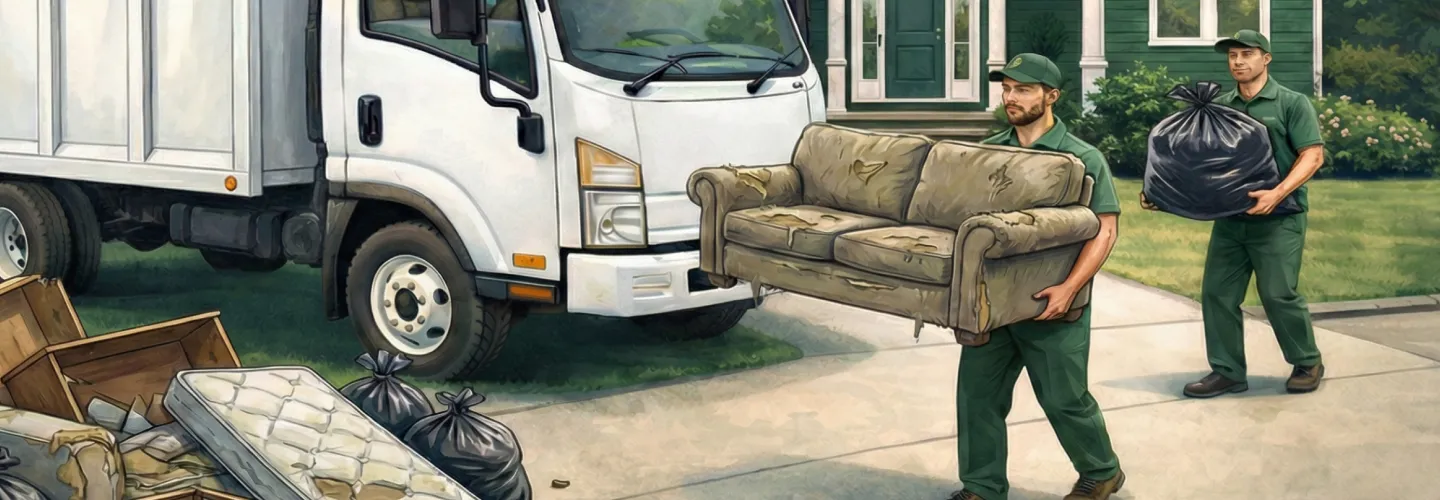
Choose our Piano Removal service for safe, efficient, and hassle-free removal by experienced professionals who treat your instrument and property with the utmost care.
Get a Free QuoteOur Dacula Junk Removal Services
Piano Removal in Dacula, GA – Local Service Guide
Removing a piano from your Dacula home can be a complex task, especially in neighborhoods like Apalachee Heritage or Alcovy Ridge where access and property layouts vary. Many residents seek piano removal during spring cleanouts, after home renovations, or when replacing old instruments. In Dacula, weather and driveway access can impact scheduling, particularly during rainy seasons or in homes with steep grades. Options for disposal include donation to local organizations, recycling, or responsible disposal through licensed haulers. For larger pianos or those in basements, professional movers are often required due to the instrument’s size and weight. Local regulations may apply, so it’s wise to check Dacula Public Works Department for guidance on bulk item disposal and city-approved removal services.
Key Considerations for Piano Removal in Dacula
- Timing: Plan around Dacula’s wet seasons and neighborhood access restrictions
- Permits: Check if special permits are needed for large removals
- Disposal Channels: Explore donation, recycling, or city-approved disposal
- Access: Consider tight hallways, stairs, or basement locations
- Volume: Upright vs. grand pianos require different handling
- Coordination: Schedule with professionals familiar with Dacula’s local logistics
Benefits of Piano Removal in Dacula
Safe Piano Transportation
Experienced Removal Team
Timely and Reliable Service
Affordable Piano Removal Rates
Proper Disposal and Recycling
Stress-Free Scheduling
Coordinating Piano Disposal with Dacula's Public Works and Gwinnett County Solid Waste Programs
Piano removal in Dacula requires coordination with both municipal and county-level waste management services. Dacula is located within Gwinnett County, and residential solid waste collection is typically administered through county-contracted haulers rather than a standalone city program. Pianos, which can weigh between 300 and 1,000 pounds depending on type, are classified as oversized bulk items and are generally not accepted through standard curbside collection. Residents should confirm bulk item pickup eligibility and scheduling requirements directly with their assigned waste hauler or through Gwinnett County Solid Waste Management. Key considerations include:
- Weight classification: Upright pianos average 400–600 pounds; grand pianos may exceed 900 pounds
- Bulk pickup limitations: Most haulers restrict items to those manageable by a two-person crew without specialized equipment
- Scheduling requirements: Bulk pickups typically require advance scheduling of at least 48–72 hours
- Prohibited placement: Items must not block sidewalks, drainage infrastructure, or rights-of-way
Dacula Public Works Department
442 Dacula Road, Dacula, GA 30019
Phone: (770) 963-8017
Official Website: Dacula Public Works Department
Residents who cannot arrange bulk pickup may need to transport the piano to a Gwinnett County transfer station or engage a licensed hauler for proper disposal.
Georgia's Solid Waste Management Act and Piano Material Disposal Compliance
Piano disposal in Dacula must comply with the Georgia Comprehensive Solid Waste Management Act (O.C.G.A. § 12-8-20) administered by the Georgia Environmental Protection Division (GA EPD). This legislation establishes standards for solid waste handling, transportation, and disposal across all municipalities, including Dacula. Pianos contain a complex mixture of materials that require careful separation and handling to meet state environmental standards. Common piano components and their disposal classifications include:
- Wood casing and soundboard: Classified as bulky solid waste; accepted at permitted landfills and some construction and demolition debris facilities
- Steel strings and cast iron plate (harp): Ferrous metals eligible for scrap metal recycling; grand piano harps may weigh 300+ pounds
- Felt hammers and dampers: Wool and synthetic felt components disposed as general solid waste
- Ivory or plastic keys: Older pianos with ivory keys require special handling; ivory trade is regulated under federal law
- Lead-containing components: Some older pianos may contain lead weights in keys, requiring disposal as hazardous material per EPA RCRA guidelines
GA EPD requires that all solid waste haulers transporting piano debris hold valid permits and deliver materials only to facilities authorized under Georgia's solid waste permitting system.
Recycling Piano Components and Scrap Metal Recovery Options Near Dacula
Diverting piano materials from landfills supports Gwinnett County's waste reduction goals and Georgia's statewide solid waste management plan. Pianos are composed of approximately 60–85% recyclable materials by weight, making component separation a practical and environmentally responsible approach. Before disposal, residents and removal professionals should evaluate which piano parts can be recovered and redirected to appropriate recycling streams. Recyclable piano components include:
- Cast iron harp/plate: The single heaviest component, weighing 150–350 pounds in grand pianos; accepted at scrap metal facilities throughout the Gwinnett County area
- Steel piano wire: High-tensile steel strings are valuable as ferrous scrap metal
- Hardwood components: Maple, spruce, and poplar wood from soundboards and casings may be accepted at wood recycling or biomass facilities
- Brass hardware: Hinges, pedal mechanisms, and tuning pins contain recyclable brass and copper alloys
Residents should also consider donation before disposal. Functional pianos may be accepted by local schools, churches, or nonprofit organizations. The Dacula Stormwater Awareness program reminds residents that improper outdoor storage or abandonment of large items like pianos can contribute to stormwater runoff contamination and code violations.
Dacula Code Enforcement Standards for Piano Removal and Property Maintenance
Dacula's code enforcement division, operating under the Marshal's Office, enforces property maintenance standards that directly affect how pianos and other large items must be handled during removal. Abandoned pianos left on porches, driveways, or curbsides beyond permitted timeframes may constitute a code violation subject to investigation and potential fines. Residents planning piano removal should be aware of the following municipal requirements:
- Curbside placement duration: Bulk items placed curbside must be removed within the timeframe established by the waste hauler's pickup schedule; extended placement may trigger a code enforcement complaint
- Property maintenance standards: Pianos stored outdoors or in visible disrepair may violate Dacula's nuisance and blight ordinances
- Right-of-way clearance: Piano removal equipment and vehicles must not obstruct public sidewalks, roadways, or drainage infrastructure without proper authorization
- Noise considerations: Piano removal involving power tools or heavy equipment should comply with Dacula's noise ordinance provisions regarding permitted hours of operation
Dacula Code Enforcement
442 Dacula Road, Dacula, GA 30019
Phone: (770) 963-8017
Official Website: Dacula Code Enforcement
Residents who receive a code violation notice related to an abandoned piano should contact the Marshal's Office promptly to discuss remediation timelines and approved disposal methods.
Safety Requirements for Heavy Piano Lifting and Structural Access in Dacula Homes
Piano removal presents significant safety hazards due to the extreme weight, awkward dimensions, and structural fragility of the instrument. Upright pianos typically measure 58–60 inches tall and 24–26 inches deep, while grand pianos can extend 5–9 feet in length. Professional removal crews must adhere to OSHA general duty clause requirements and industry best practices to prevent injury and property damage. Critical safety considerations for piano removal in Dacula residences include:
- Weight assessment: Determine exact piano type and estimated weight before removal; baby grand pianos average 500–600 pounds, while full concert grands may exceed 1,200 pounds
- Stairwell navigation: Measure all doorways, hallways, and stairwell widths; standard interior doorways are 30–36 inches wide, which may require partial disassembly of the piano
- Floor protection: Use hardboard sheets or moving blankets to protect hardwood floors, tile, and carpet from scratches, dents, and caster damage
- Structural load limits: Verify that porches, decks, and ramps can support the combined weight of the piano and removal crew; residential decks are typically rated for 40–60 pounds per square foot
- Equipment requirements: Piano dollies, skid boards, and ratchet straps rated for the instrument's weight are essential; improvised equipment increases injury risk
Gwinnett County Fire & Emergency Services
Official Website: Gwinnett County Fire & Emergency Services
In the event of an injury during piano removal, Gwinnett County Fire and Emergency Services provides emergency medical response throughout the Dacula area.
What Neighborhoods Do We Serve Throughout Dacula, GA?
- Dacula Town Center: The historic downtown area features older single-family homes and commercial buildings along Dacula Road. Narrow lot configurations and mature tree canopy may limit truck access for piano removal; advance site assessment is recommended for properties with limited driveway clearance.
- Rabbit Hill: This established residential subdivision features single-family homes with standard two-car driveways. Piano removal access is generally straightforward, though homes with front-entry foyers and interior staircases may require partial piano disassembly for safe extraction.
- Alcovy Estates: A newer residential community with wider streets and cul-de-sac layouts accommodating larger removal vehicles. Many homes feature open floor plans with wider doorways, simplifying piano removal logistics.
- Fence Road Corridor: Properties along this rural-residential corridor often have longer gravel or unpaved driveways. Heavy removal vehicles should verify ground stability, particularly during wet weather, to avoid becoming stuck or damaging the driveway surface.
- Harbins Road Area: A mix of older farmstead properties and newer subdivisions characterizes this area. Older homes may have narrower interior hallways and elevated front porches without ramp access, requiring additional equipment for safe piano removal.
- Dacula Ridge: This subdivision features multi-level homes with walkout basements. Pianos located on lower levels may need to be removed through basement-level exterior doors or navigated up interior staircases, requiring specialized rigging equipment and additional crew members.