
Dacula Basement & Attic Cleaning Services
Choose our expert Basement & Attic Cleaning for a healthier, clutter-free home—enjoy peace of mind with thorough, reliable service that transforms neglected spaces into clean, usable areas.
Get a Free QuoteOur Dacula Junk Removal Services
Basement & Attic Cleaning in Dacula, GA – Local Service Guide
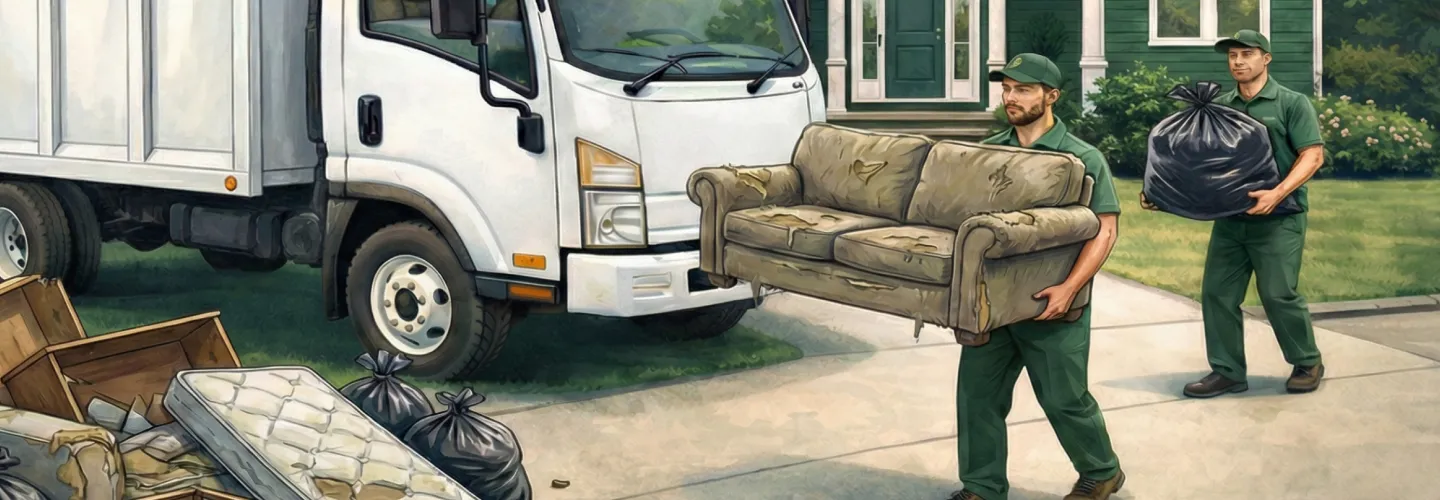
Basement and attic cleaning in Dacula, GA is essential for maintaining a safe, organized home—especially in neighborhoods like Apalachee Heritage and Alcovy Ridge, where seasonal humidity and storms can lead to clutter and moisture issues. Homeowners often schedule cleanouts during spring or after major life events such as moving or renovations. Items like old furniture, mattresses, and appliances are commonly removed, with options to donate, recycle, or dispose of them through local services. Access can be challenging in older homes or during wet weather, so planning is key. For residential spaces, flooding risks and tree coverage in areas like Dacula Oaks may increase the need for regular attic and basement checks, especially after heavy rains. Commercial properties in Dacula’s business district require discreet, timely cleanouts to minimize disruption, while specialty projects—such as estate or foreclosure cleanups—demand careful coordination and adherence to local guidelines. For more on local disposal rules and resources, visit the Dacula Public Works Department.
Key Considerations for Basement & Attic Cleaning in Dacula
- Schedule around seasonal weather and local events
- Check if permits are needed for large disposals
- Use approved disposal or recycling channels
- Plan for limited access in older or multi-story homes
- Estimate volume and coordinate with local haulers
- Address category-specific items like electronics or scrap metal
Benefits of Basement & Attic Cleaning in Dacula
Improved Indoor Air Quality
Enhanced Home Safety
Increased Storage Space
Prevention of Mold and Pests
Boosted Property Value
Professional and Reliable Service
Coordinating Basement and Attic Cleanout Debris with Gwinnett County Solid Waste Services
Dacula is an incorporated city within Gwinnett County, and residential solid waste collection services are administered at the county level. When undertaking a basement or attic cleaning project, residents must understand how to properly dispose of accumulated items, including old furniture, stored household goods, and miscellaneous debris. Gwinnett County provides curbside collection for standard household waste, but bulky items removed from basements and attics often require separate scheduling or self-hauling to designated facilities. Residents should be aware of the following disposal considerations:
- Bulky item pickup must be arranged in advance through the county's designated waste hauler
- Separated recyclables such as cardboard boxes, paper, and plastics should be placed in curbside recycling bins
- Electronics and appliances discovered during cleanouts are prohibited from standard trash collection
- Excess debris volumes beyond normal curbside limits may require transport to a permitted transfer station
- Items must not be placed in the public right-of-way without an approved collection date
Dacula Public Works Department
442 Dacula Road, Dacula, GA 30019
Phone: (770) 963-8439
Official Website: Dacula Public Works Department
Hazardous Materials and Lead Paint Handling in Pre-1978 Dacula Homes
Many homes in the Dacula area were constructed before 1978, and basements and attics in these properties may contain materials requiring special handling. Lead-based paint on stored items, walls, and structural components poses health risks when disturbed during cleaning. The EPA Renovation, Repair, and Painting Rule mandates lead-safe work practices in pre-1978 residential structures. Additionally, older insulation materials in attics may contain asbestos, which requires licensed abatement if friable. Residents and service providers should observe the following precautions:
- Lead paint debris must be contained in heavy-duty plastic sheeting and disposed of as regulated waste
- Asbestos-containing materials require testing by a certified inspector before disturbance; Georgia law prohibits unlicensed removal
- Old pesticides, paint cans, and solvents commonly found in basements are classified as household hazardous waste
- Mold-affected materials in damp basements should be handled with appropriate respiratory protection
- Contact Gwinnett County Fire & Emergency Services for hazardous materials response guidance
The Georgia Environmental Protection Division oversees solid waste regulations statewide, including requirements for proper disposal of hazardous and special waste generated during residential cleanout projects.
Dacula Code Enforcement Standards for Property Maintenance During Cleanouts
Basement and attic cleaning projects in Dacula must comply with municipal code enforcement standards governing property maintenance, debris storage, and neighborhood aesthetics. The Dacula Marshal's Office enforces ordinances related to accumulation of materials on residential properties, and temporary staging of cleanout debris on driveways or yards must not create code violations. Residents should be mindful of the following regulatory requirements:
- Debris staging on residential property should not exceed 48–72 hours without an active removal plan
- Items placed curbside must not obstruct sidewalks, drainage infrastructure, or neighboring properties
- Visible accumulation of discarded materials may trigger a code enforcement investigation and potential citation
- Stormwater protection requires that loose debris, dust, and particulates not enter storm drains during cleanout activities
- Construction or renovation debris generated during basement or attic remodeling may require a building permit from the Dacula Planning Department
Dacula Code Enforcement
442 Dacula Road, Dacula, GA 30019
Phone: (770) 963-8439
Official Website: Dacula Code Enforcement
Residents are encouraged to review the city's stormwater awareness resources to ensure cleanout activities do not contribute to pollution of local waterways.
Georgia's Solid Waste Management Act and Recycling Requirements for Cleanout Materials
Georgia's Solid Waste Management Act (O.C.G.A. § 12-8-20 et seq.) establishes the regulatory framework governing disposal of materials commonly removed during basement and attic cleaning projects. The Georgia Environmental Protection Division administers these regulations, which include landfill permitting, waste hauler licensing, and material diversion goals. Dacula residents should understand how state law affects their cleanout disposal options:
- Electronics such as old televisions, computer monitors, and peripherals should be directed to certified e-waste recyclers; Georgia does not currently impose a statewide landfill ban on electronics, but responsible recycling is strongly encouraged
- Appliances containing refrigerants (window air conditioners, dehumidifiers, mini-fridges stored in basements) require refrigerant recovery by an EPA Section 608-certified technician before disposal
- Tires discovered in basements or storage areas are subject to Georgia's scrap tire management regulations and may not be disposed of in standard waste streams
- Mattresses and box springs found in attic or basement storage are accepted at permitted landfills but carry additional disposal fees at most facilities
- Scrap metal, including old shelving, tools, and hardware, should be separated for recycling to support landfill diversion
Sorting and Separation Requirements for Dacula Basement and Attic Debris
Effective basement and attic cleaning in Dacula requires systematic sorting of accumulated materials to ensure regulatory compliance and maximize recycling and donation opportunities. Items stored for years or decades often include a mix of household goods, construction remnants, seasonal decorations, and potentially hazardous substances. Proper separation before disposal prevents contamination of recyclable loads and avoids penalties at disposal facilities. The following sorting categories should be established during any cleanout project:
- Donatable items in functional condition (furniture, clothing, household goods) should be directed to local charitable organizations such as Habitat for Humanity ReStore or Goodwill donation centers in the Gwinnett County area
- Recyclable materials including cardboard boxes, paper documents, glass, and plastics should be separated and placed in appropriate recycling streams
- Scrap metal such as old shelving units, bed frames, and tools should be set aside for metal recycling facilities
- Household hazardous waste including old paint, cleaning chemicals, batteries, and fluorescent bulbs must be kept separate and taken to a Gwinnett County household hazardous waste collection event
- General debris that does not fit other categories may be disposed of through standard waste collection or transported to a permitted solid waste facility
Proper documentation of donated items, including itemized receipts, may provide tax deduction benefits for Dacula homeowners.
What Neighborhoods Do We Serve Throughout Dacula, GA?
- Dacula Historic Downtown: Older homes near the city center may feature original basements and attic spaces with narrow stairwells and low ceiling clearances. Properties in this area may contain pre-1978 building materials requiring lead paint and asbestos awareness during cleanout activities.
- Rabbit Hill: This established residential community features single-family homes with full basements and accessible attic storage. Wide driveways and cul-de-sac layouts generally accommodate service vehicles without street access complications.
- Alcovy Creek Subdivisions: Homes in developments along Alcovy Creek may experience basement moisture issues, requiring mold assessment before and during cleaning. Proximity to waterways necessitates strict adherence to stormwater pollution prevention during debris staging.
- Hamilton Mill Area: Newer construction in this growing corridor typically includes unfinished basements and attic spaces with pull-down ladder access. HOA regulations in many Hamilton Mill subdivisions may govern exterior debris staging duration and placement.
- Fence Road Corridor: Rural-residential properties along Fence Road often feature older structures with crawl spaces and unimproved attic areas. Longer driveways and unpaved surfaces may require advance planning for service vehicle access and debris loading logistics.
- Dacula Road Residential Areas: Properties along the main Dacula Road corridor range from historic homes to mid-century construction, presenting varied basement configurations and attic access challenges. Proximity to municipal services facilitates coordination with city departments for permit and compliance inquiries.