
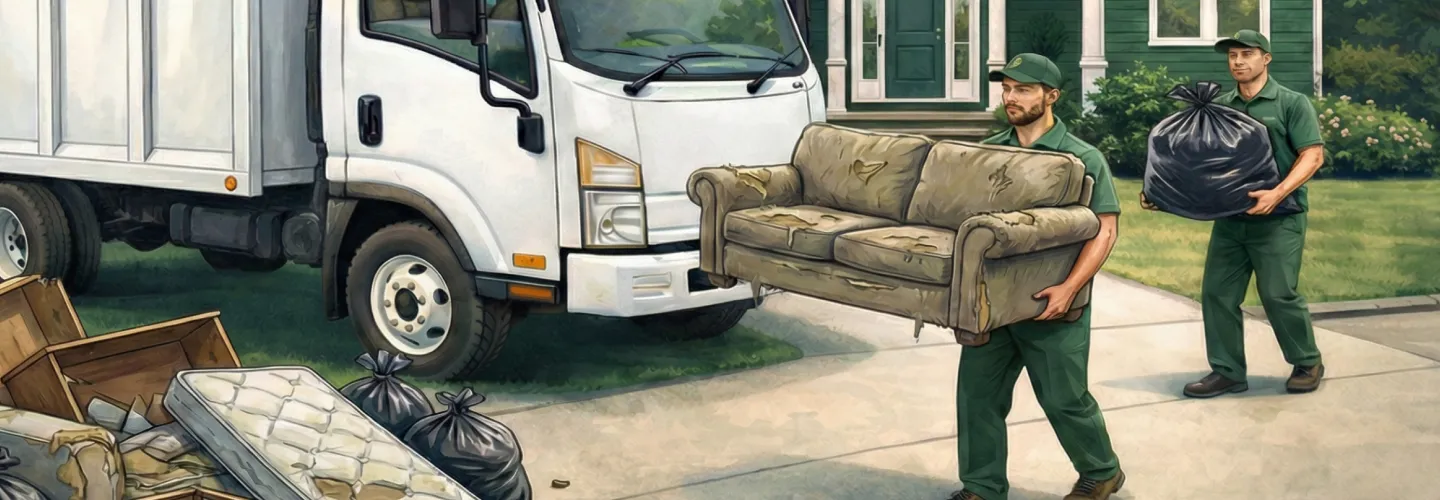
Dacula Appliance Removal Services
Choose us for hassle-free appliance removal—our experienced team ensures safe, eco-friendly disposal and same-day service, making it easy to reclaim your space without lifting a finger.
Get a Free QuoteOur Dacula Junk Removal Services
Appliance Removal in Dacula, GA – Local Service Guide
Appliance removal in Dacula, GA is a common need for homeowners and businesses, especially during seasonal upgrades, home renovations, or when replacing outdated units. In neighborhoods like Apalachee Heritage and Alcovy Ridge, residents often schedule appliance removal after spring cleaning, home sales, or major life events. Local disposal options include donation, recycling, or responsible disposal, with logistics shaped by driveway access, weather, and the size of the appliance. For residential spaces such as garages and basements, cleanouts often follow storm seasons or property improvements, with frequency depending on flooding risks or tree coverage. Commercial clients in Dacula’s retail corridors and medical offices require discreet, timely removal to minimize disruption, often dealing with higher volumes and strict operational windows. Specialty projects—like estate cleanouts or construction debris removal—demand careful planning and coordination, especially in older Dacula properties or during foreclosure proceedings. For guidance on local disposal rules and scheduling, visit the Dacula Public Works Department.
Key Considerations for Appliance Removal in Dacula
- Timing removals around local weather and neighborhood schedules
- Checking for required permits or city guidelines
- Choosing proper disposal or recycling channels
- Ensuring clear access for large or heavy items
- Coordinating with property managers or HOAs for multi-unit sites
- Identifying category-specific handling needs (e.g., refrigerants, electronics)
Benefits of Appliance Removal in Dacula
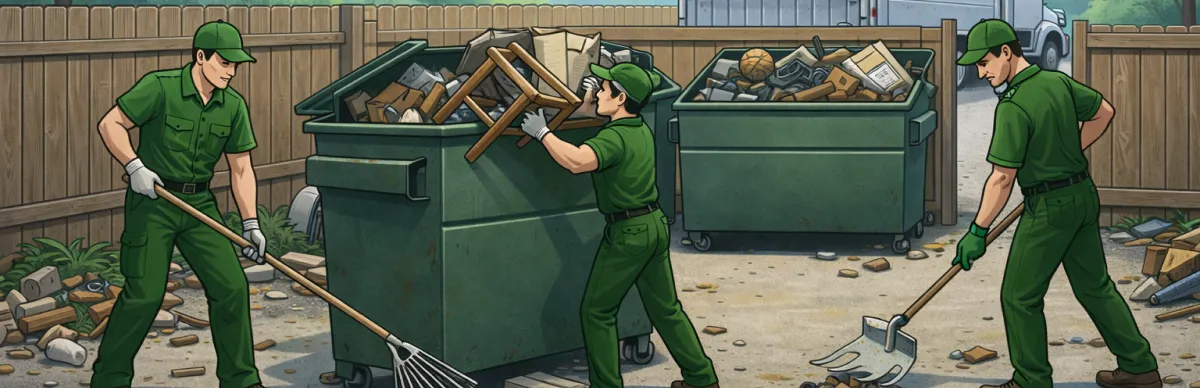
Fast and Reliable Service
Eco-Friendly Disposal
Licensed and Insured Team
Upfront Transparent Pricing
Convenient Scheduling Options
Safe Appliance Handling
Coordinating Appliance Removal with Dacula's Public Works and Gwinnett County Disposal Programs
Dacula is located within Gwinnett County, and residential solid waste services are primarily coordinated through county-level programs. Residents seeking to dispose of large household appliances—such as refrigerators, washing machines, dryers, dishwashers, and ovens—should contact Gwinnett County's solid waste division to confirm current bulk item collection schedules and accepted appliance types. Key considerations for appliance removal in Dacula include:
- Bulk item pickup must typically be scheduled in advance; appliances left curbside without prior arrangement may result in code violations
- Freon-containing units (refrigerators, freezers, air conditioners) require certified refrigerant recovery before disposal
- Water-connected appliances (washers, dishwashers) must be fully disconnected and drained before removal
- Doors on refrigerators and freezers should be removed or secured shut for safety during curbside placement
Residents can reach out to the Dacula Public Works Department for guidance on municipal infrastructure coordination and stormwater protection during appliance staging.
Dacula Public Works Department
442 Dacula Road, Dacula, GA 30019
Phone: (770) 963-8017
Official Website: Dacula Public Works Department
EPA Refrigerant Recovery Requirements for Appliance Disposal in Dacula
Federal law strictly regulates the handling of refrigerants found in many common household appliances. Under EPA Section 608 regulations, it is illegal to knowingly vent refrigerants such as R-12, R-22, R-134a, and R-410A into the atmosphere during appliance removal or disposal. This requirement applies to refrigerators, freezers, window air conditioning units, dehumidifiers, and any equipment containing chlorofluorocarbons (CFCs) or hydrochlorofluorocarbons (HCFCs). Dacula residents and haulers must ensure compliance with the following:
- Certified technicians holding EPA Section 608 certification must recover refrigerants before any appliance is scrapped, recycled, or landfilled
- Penalties for improper venting can reach up to $44,539 per day per violation under the Clean Air Act
- Documentation of refrigerant recovery should be retained for a minimum of three years
- Self-hauling residents should confirm that the receiving facility performs certified refrigerant extraction on-site
- Appliances with compressors must not have refrigerant lines cut or punctured prior to professional recovery
Gwinnett County transfer facilities and licensed scrap processors in the greater Dacula area are equipped to handle refrigerant recovery for residential appliances.
Dacula Code Enforcement Standards for Appliance Storage and Removal Compliance
The City of Dacula enforces property maintenance standards that directly affect how appliances are stored, staged, and removed from residential and commercial properties. Abandoned or improperly stored appliances on porches, yards, or driveways may constitute code violations subject to enforcement action by the Dacula Marshal's Office Code Enforcement Division. Residents should be aware of the following requirements:
- Appliances awaiting removal should not be stored in front yards or visible from the public right-of-way for extended periods
- Refrigerators and freezers stored outdoors must have doors removed or secured to prevent child entrapment hazards
- Violation notices may be issued with a compliance deadline; failure to comply can result in fines or municipal abatement
- Renovation projects generating multiple appliance removals may require a building permit if structural or plumbing modifications are involved
- Commercial properties must maintain clean staging areas and may not use public sidewalks or rights-of-way for appliance storage
Dacula Code Enforcement
442 Dacula Road, Dacula, GA 30019
Phone: (770) 963-8017
Official Website: Dacula Code Enforcement
Georgia's Solid Waste Management Act and Appliance Recycling Obligations
Georgia's Solid Waste Management Act (O.C.G.A. § 12-8-20 et seq.) establishes the statewide framework governing the disposal, recycling, and transportation of solid waste, including large household appliances classified as "white goods." The Georgia Environmental Protection Division (GA EPD) oversees enforcement and permitting for solid waste facilities that accept appliances. Dacula residents and commercial haulers should understand these state-level obligations:
- White goods (refrigerators, stoves, washers, dryers, water heaters) are accepted at permitted solid waste facilities but may be subject to special handling fees
- Scrap metal recovery is encouraged under Georgia's waste reduction goals; appliances contain recoverable steel, copper, and aluminum
- Illegal dumping of appliances carries penalties including fines up to $25,000 and potential imprisonment under Georgia law
- Haulers transporting appliances for disposal must use vehicles that prevent spillage, leakage, or scattering of materials on public roadways
- Stormwater protection is required during appliance staging; oils, refrigerants, and other fluids must not enter storm drains, as outlined in Dacula's Stormwater Awareness guidelines
Georgia Environmental Protection Division
2 Martin Luther King Jr. Drive SE, Suite 1456, Atlanta, GA 30334
Phone: (404) 656-4713
Official Website: Georgia Environmental Protection Division
Safe Handling and Hazardous Material Considerations for Appliance Removal in Dacula
Appliance removal presents specific safety and hazardous material challenges that require careful attention, particularly in older Dacula homes built before 1978. Many vintage appliances and the spaces housing them may contain regulated materials. Professional removal crews and homeowners should account for the following hazards:
- Refrigerant gases in cooling appliances are both an environmental and health hazard; inhalation in confined spaces can cause dizziness or asphyxiation
- Mercury switches are found in older chest freezers and pre-2006 gas appliances; these must be removed and disposed of as hazardous waste
- Capacitors in air conditioners and microwaves may retain lethal electrical charges even when unplugged; discharge by a qualified technician is required before handling
- Lead paint on surrounding walls or cabinetry in pre-1978 homes may be disturbed during appliance removal; the EPA Renovation, Repair, and Painting Rule requires lead-safe work practices
- Heavy lifting hazards apply to most large appliances, which typically weigh 150–350 pounds; proper equipment such as appliance dollies, straps, and stair-climbing devices should be used
- Water line disconnection for washers, dishwashers, and ice makers requires shutoff valve closure and line capping to prevent flooding
For hazardous materials emergencies during appliance removal, Gwinnett County Fire and Emergency Services provides hazardous materials response.
What Neighborhoods Do We Serve Throughout Dacula, GA?
- Dacula Town Center: The historic downtown core features older single-family homes and small commercial buildings along Dacula Road. Narrow lot configurations and mature tree canopy may require careful truck positioning for curbside appliance pickup, and pre-1978 homes may present lead paint considerations during kitchen or laundry renovations.
- Rabbit Hill: This established subdivision features single-family homes with standard driveway access. Appliance removal trucks can typically navigate the neighborhood's residential streets without difficulty, though HOA guidelines may restrict curbside staging duration.
- Alcovy Creek Subdivisions: Communities near Alcovy Creek include newer construction with wider streets and two-car garage access. Water heater and HVAC unit replacements are common removal requests; stormwater protection near creek buffers requires careful fluid containment during appliance staging.
- Fence Road Corridor: A mix of older residential properties and agricultural parcels along Fence Road may feature longer driveways and unpaved access points. Heavier appliances such as cast-iron stoves or commercial-grade equipment may require specialized dollies or additional crew members.
- Harbins Road Area: Properties along Harbins Road range from established ranch-style homes to newer developments. Basement-level appliance removal in split-level homes may require stair-navigation equipment, and septic system locations should be identified before staging heavy removal vehicles on lawns.
- Dacula Ridge and Surrounding Developments: Newer planned communities with wide streets and concrete driveways accommodate standard removal vehicles. HOA covenants may require advance notification before placing appliances curbside, and community common areas are typically off-limits for staging.