
Dacula Construction Debris Removal Services
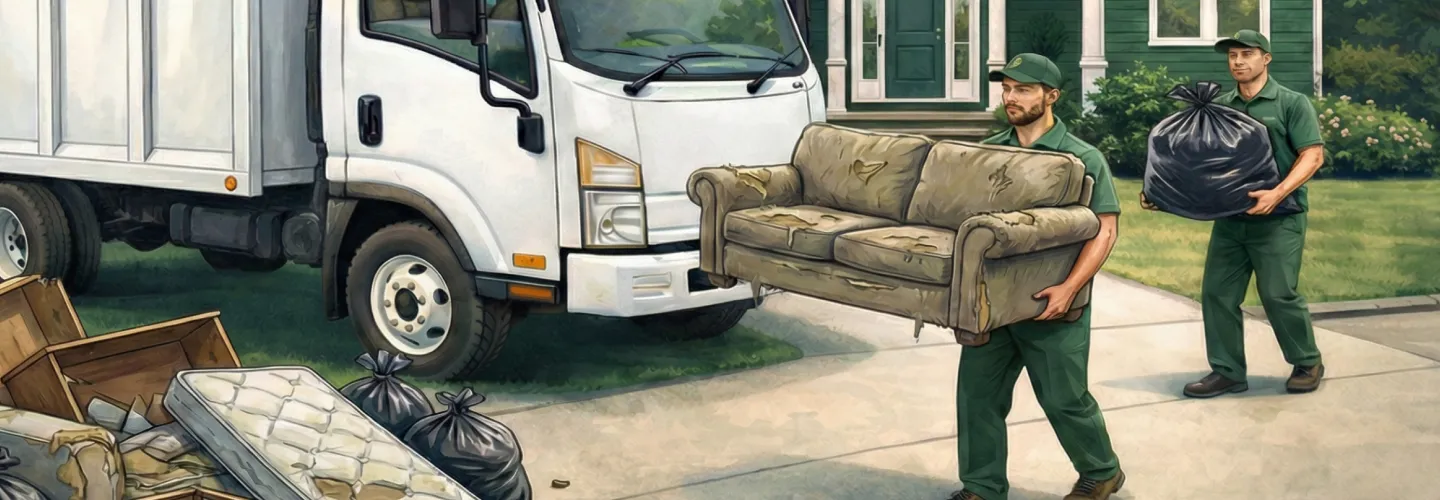
Choose our Construction Debris Removal for fast, reliable, and eco-friendly service that keeps your site safe, organized, and ready for the next phase.
Get a Free QuoteOur Dacula Junk Removal Services
Construction Debris Removal in Dacula, GA – Local Service Guide
Construction debris removal in Dacula, GA is essential for keeping homes and businesses safe, clean, and compliant with local regulations. Whether you’re renovating a home in Apalachee Heritage, clearing out a garage in Hamilton Mill, or managing a commercial build near Dacula Village, timely debris removal ensures your project stays on track. For residential items like old appliances, mattresses, or hot tubs, removal often coincides with seasonal upgrades, storm recovery, or major life events. Many residents opt to recycle or donate usable items, while larger or hazardous materials require proper disposal. For residential spaces such as basements, attics, or yards, spring and fall cleanouts are common, especially after heavy rains or storms that affect low-lying areas. Commercial clients—like restaurants or offices along Dacula Road—often need discreet, scheduled pickups to minimize disruption and meet operational demands. Specialty services, including dumpster rentals or estate cleanouts, require advance planning and coordination, especially for larger properties or time-sensitive projects. For guidance on local rules and disposal options, visit the Dacula Public Works Department.
Key Considerations for Construction Debris Removal in Dacula
- Timing projects around local weather and neighborhood schedules
- Securing necessary permits for large-scale removals
- Using approved disposal and recycling channels
- Ensuring clear access for trucks and equipment
- Estimating debris volume for proper container sizing
- Coordinating with city services for specialty or hazardous items
Benefits of Construction Debris Removal in Dacula
Fast Debris Cleanup
Safe Job Site Practices
Eco-Friendly Disposal
Licensed and Insured Team
Flexible Scheduling Options
Competitive Local Pricing
Coordinating Construction Debris Disposal with Dacula's Public Works and Building Permit Requirements
Construction and demolition debris generated from renovation, remodeling, or demolition projects in Dacula must be managed in accordance with municipal building codes and permit conditions. Before beginning any project that produces significant debris, property owners and contractors should secure the appropriate building permits through the Dacula Building Permits office. Permit conditions frequently include provisions for on-site waste management and debris containment during active construction. Key requirements to understand include:
- Building permits are required for structural demolition, major renovations, and additions that generate construction waste
- Debris containment on the project site must not obstruct public rights-of-way, sidewalks, or drainage infrastructure
- Hauling vehicles transporting construction debris on city streets must secure loads to prevent material from scattering
- Disposal documentation may be requested during final inspection to verify debris was taken to an authorized facility
- Noise ordinances in Dacula restrict construction activity and debris loading during early morning and late evening hours
Contractors and homeowners should confirm all permit stipulations before scheduling debris removal to avoid delays in project completion or code violations.
Dacula Building Permits
442 Dacula Road, Dacula, GA 30019
Phone: (770) 963-8439
Official Website: Dacula Building Permits
Georgia's Solid Waste Management Act and Construction Debris Classification
Georgia regulates construction and demolition (C&D) waste under the Georgia Comprehensive Solid Waste Management Act (O.C.G.A. § 12-8-20) administered by the Georgia Environmental Protection Division (GA EPD). This legislation establishes the framework for how construction debris must be sorted, transported, and disposed of throughout the state, including projects within Dacula. Understanding the state classification system is essential for compliance:
- Construction and demolition debris is defined as waste generated from building, renovating, repairing, or demolishing structures, including wood, drywall, concrete, brick, roofing materials, and metals
- Inert waste such as concrete, brick, and asphalt may be accepted at designated inert waste landfills at lower disposal rates than mixed C&D debris
- Hazardous materials including lead-based paint, asbestos-containing materials, and chemical solvents are excluded from C&D waste streams and require separate handling under state and federal hazardous waste regulations
- Yard waste and land-clearing debris generated alongside construction projects must be separated and may not be mixed with C&D materials at most disposal facilities
- Illegal dumping of construction debris carries penalties under Georgia law, including fines and potential criminal charges
Georgia Environmental Protection Division
2 Martin Luther King Jr. Drive SE, Suite 1456, Atlanta, GA 30334
Phone: (404) 656-4713
Official Website: Georgia Environmental Protection Division
Dacula Code Enforcement Standards for Construction Site Debris Management
The Dacula Code Enforcement division, operating under the Marshal's Office, enforces property maintenance standards that directly affect how construction debris is stored and removed from job sites. Failure to maintain a clean and orderly construction site can result in code violations, fines, and stop-work orders. Residents and contractors should be aware of the following enforcement standards:
- Debris accumulation on residential or commercial properties must not create health hazards, attract pests, or pose fire risks
- Temporary storage of construction materials and waste on-site should be contained within the property boundaries and not encroach on neighboring lots or public areas
- Street cleanliness requirements mandate that mud, gravel, and debris tracked onto public roadways from construction sites be promptly cleaned
- Complaint-driven inspections may be initiated by neighbors or community members reporting debris-related nuisances to the Marshal's Office
- Stormwater protection is a critical concern; construction debris must not block drainage channels or contribute sediment to stormwater systems, as outlined in Dacula's Stormwater Awareness guidelines
Contractors working in Dacula should establish a debris management plan before project commencement to ensure ongoing compliance with municipal codes throughout the duration of the work.
Dacula Code Enforcement
442 Dacula Road, Dacula, GA 30019
Phone: (770) 963-8439
Official Website: Dacula Code Enforcement
Material Sorting and Recycling Requirements for Dacula Construction Projects
Responsible construction debris removal in Dacula requires attention to material sorting and recycling opportunities that reduce landfill burden and support Georgia's waste diversion objectives. Gwinnett County, which encompasses Dacula, operates solid waste facilities that accept separated construction materials. Proper sorting at the job site improves disposal efficiency and may reduce overall costs. Key material categories and their handling requirements include:
- Concrete, brick, and masonry can often be recycled at inert waste processing facilities; these materials should be separated from mixed debris loads
- Scrap metals including steel framing, copper wiring, aluminum flashing, and iron fixtures have resale value and should be diverted to licensed scrap metal recyclers
- Clean wood that is unpainted and untreated may be accepted at wood recycling or mulching facilities; painted or treated lumber requires standard C&D disposal
- Roofing shingles (asphalt) are accepted by some recycling processors for use in road paving applications
- Drywall and gypsum board should be separated where possible, as some facilities accept clean drywall for recycling into new products
- Appliances and fixtures removed during renovation must comply with EPA refrigerant recovery requirements if they contain refrigerants
Mixing hazardous materials with recyclable construction debris contaminates entire loads and may result in rejection at disposal facilities or contamination surcharges.
Hazardous Material Identification and Safe Handling on Dacula Demolition Sites
Construction debris removal from older structures in Dacula requires careful assessment for hazardous materials before demolition or renovation begins. Buildings constructed before 1978 may contain lead-based paint, and structures built before 1980 may include asbestos-containing materials in insulation, floor tiles, roofing, and pipe wrapping. Federal and state regulations impose strict handling requirements for these materials:
- Lead-based paint disturbance during renovation is regulated under the EPA Renovation, Repair, and Painting Rule, which requires certified renovators and lead-safe work practices in pre-1978 residential buildings
- Asbestos-containing materials must be identified through professional inspection before demolition; friable asbestos requires licensed abatement contractors and disposal at approved hazardous waste facilities
- Chemical solvents, paints, and adhesives found on construction sites are classified as hazardous waste and may not be disposed of in standard C&D waste streams
- Treated lumber (CCA-treated wood) should not be burned or ground for mulch due to arsenic content; it requires disposal at facilities permitted to accept treated wood waste
- OSHA safety standards require personal protective equipment, dust suppression, and proper ventilation when workers handle materials suspected of containing hazardous substances
Gwinnett County Fire and Emergency Services can provide guidance on hazardous materials response and proper reporting procedures for unexpected discoveries during demolition.
Gwinnett County Fire & Emergency Services
Phone: (678) 518-4800
Official Website: Gwinnett County Fire & Emergency Services
What Neighborhoods Do We Serve Throughout Dacula, GA?
- Dacula Town Center: Properties near the historic downtown core along Dacula Road may involve older structures requiring hazardous material assessments before debris removal. Narrow lot configurations and proximity to neighboring buildings necessitate careful debris staging and load management.
- Rabbit Hill: This established residential community features single-family homes where renovation and remodeling projects generate typical residential construction debris. Wide residential streets and driveway access generally accommodate standard hauling vehicles without access restrictions.
- Alcovy Creek Subdivisions: Newer developments in the Alcovy Creek corridor often produce debris from home additions and landscape modifications. Homeowners association guidelines may impose restrictions on debris storage duration and placement visibility from the street.
- Harbins Road Corridor: Mixed residential and agricultural properties along Harbins Road may involve larger-scale demolition or land-clearing projects. Longer driveways and rural lot sizes require advance coordination for hauling vehicle access and turnaround space.
- Fence Road Area: Growing residential development in this area generates construction debris from new builds and renovations. Proximity to county roadways requires attention to load securement and traffic safety during debris transport.
- Dacula-Winder Highway Properties: Commercial and mixed-use properties along this corridor may produce construction debris from tenant improvements and building renovations. Coordination with the Dacula Planning Department is advisable for projects requiring zoning or land-use review alongside debris management planning.